Tuesday, 9 December 2014


Sunday, 30 November 2014
An Indian Thanksgiving
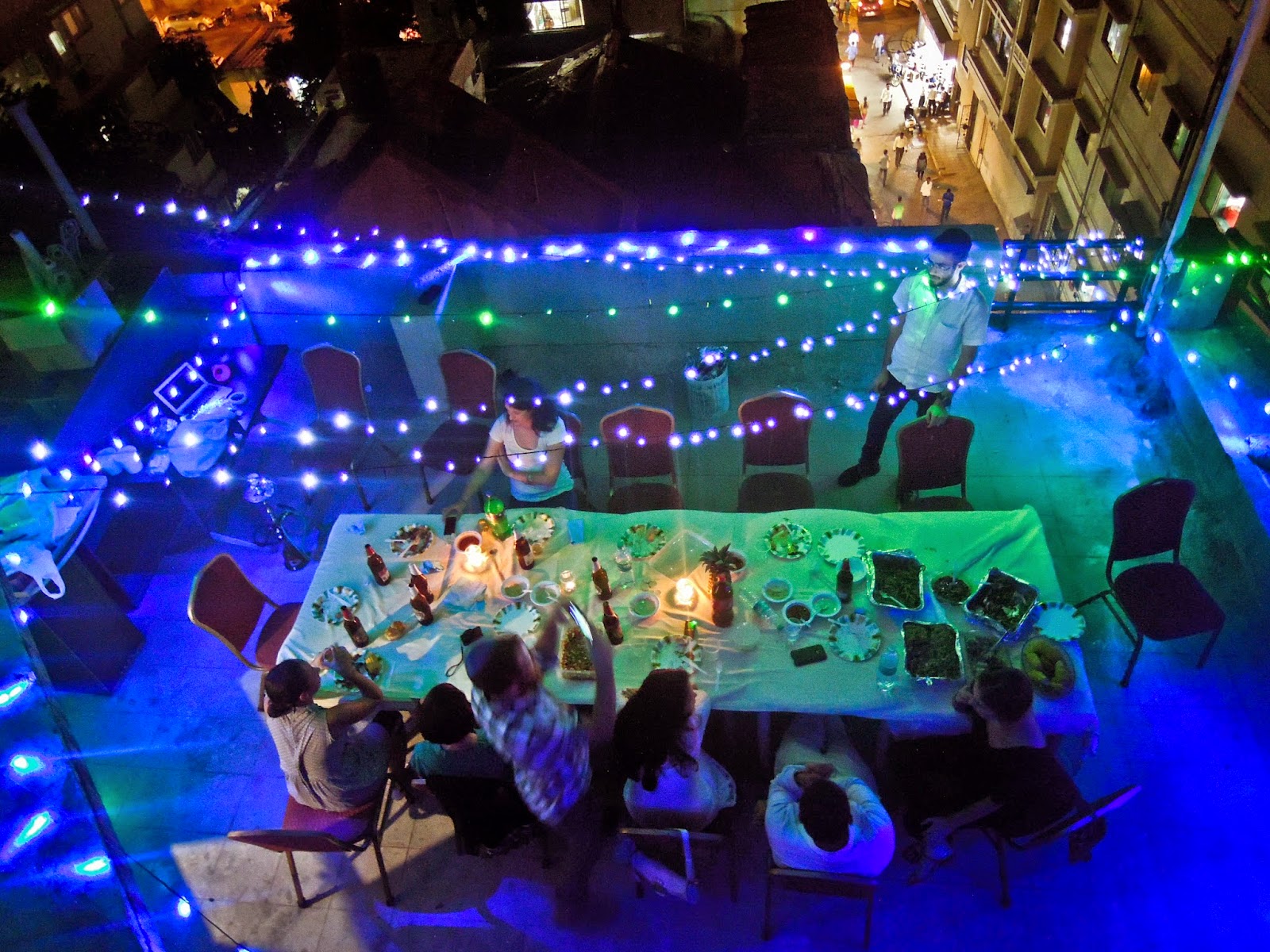
My roommates and I planned a Thanksgiving dinner here in India! It took a lot of our time this week, but was so worth it.
We planned with the head of security at Chabad. He offered the roof of the Chabad house overlooking Colaba, the southernmost neighborhood of Mumbai. From the roof, you can see the Arabian Sea to the left and to the right, hugging the peninsula where the crazy city sits. It is an incredible space!
-2.jpg)
I went
shopping with my roommate Elana to Crawford Market for all of the vegetables and supplies for
the dinner. The market is an indoor
maze of stands selling everything under the sun – vegetables, fruit, canned
goods, spices, home goods, and tools to list a few. There were many imported products, like Heinz and Kikkoman. Elana and I sauntered around the stalls, wandering in circles, bartering and buying. I felt like I was in a bubble, like Willy Wonka’s
factory, surrounded by colors, smells, and people in a buying-selling
cacophony. Shopkeepers listened to Elana and my conversations. When we said “oh we
need to find pineapple,” about three different Indian men piped up. "Pineapple?" they chirped, "this
way, this way. Come to my shop." If one stall didn’t have what we needed, the
shopkeeper said "follow, follow," and led us around crowds and corners to a
specific spice stand or paper store. After a good 2 hours, we found everything we
needed, even celery and cranberries!
-3.jpg)
.jpg)
Somehow we
were able to cook everything in the guest house kitchen over our tiny burners. On Thursday
evening we packed all of it into backpacks and bags and taxied to Colaba. We set up and guests rolled in from California, New York, Mumbai, and Israel.
.jpg)
The whole night was a crossover of cultures. There I was on Thanksgiving, overlooking Mumbai
with the sounds of the Indian city humming. There was construction across the
street and a parade below celebrating the opening of a Hindu
temple. All this while sitting on the roof of a Jewish community center, staring at the
pineapple centerpiece, swaying to the flamenco music coming out of speakers, and feasting on American holiday food. What a combo of comfort,
chaos, and environments!
-5.jpg)
I had so many reasons to
feel grateful, first being the opportunity to be in India in the first place. I felt thankful for having such warm friends around me, the surge
of energy I get from the kids I teach every day, and the empowerment we have as
teachers to shape their learning.
Planning
the dinner from start to finish was so rewarding, while the space and company made the night magical. It was definitely a
Thanksgiving to remember!
.jpg)
Monday, 24 November 2014
Tiffin Time!

Meet the ladies who make lunch for the GPM slum kids every day! These women are from Kalwa, gathering as friends and neighbors to run the kitchen from start to finish.
 They cook in a cramped room every morning - slicing, mixing, and prepping on the floor or over burners. The
job of making tiffins (lunch) for the kids in their own slum gives them a
steady income, earned totally from their personal planning and labor. This is
uncommon for women in the slum. Most depend on their husband’s
livelihood. The cheery women in the kitchen however, have the skills to manage
a budget, feed around 500 children a day, and flip their flowy saris over their
shoulder without catching fire as they cook.
They cook in a cramped room every morning - slicing, mixing, and prepping on the floor or over burners. The
job of making tiffins (lunch) for the kids in their own slum gives them a
steady income, earned totally from their personal planning and labor. This is
uncommon for women in the slum. Most depend on their husband’s
livelihood. The cheery women in the kitchen however, have the skills to manage
a budget, feed around 500 children a day, and flip their flowy saris over their
shoulder without catching fire as they cook.

As GPM
fellows, we join the ladies weekly to help with the prep work. They seem
settled in the kitchen and attached to their work. In the overwhelmingly hot
room, chatting and laughing join the chopping and bubbling sounds of cooking.
On the
first day we visited, the women were making chapati – a thin flatbread. I
attempted to roll one out, but rather than creating a perfect circle like the
rest, my chapati had a likeness to the shape of India - obviously intentional.


On the menu that day was Laapsi - a sweet porridge made from semolina with
coconut and almonds. We observed the women’s system to get the food to
the classrooms. They transfer the food from two ginormous vats into smaller
containers, measuring each on a scale. Then the ladies hoist the tin containers on their heads and walk to the classrooms, gracefully balancing the food while avoiding trash heaps, mud puddles, and rampant chickens.

Every day I
see the women deliver the food to the class, which can be distracting to the
kids as I’m teaching. I see how excited they are for lunch! After class ends, the
teacher of the class gives each student two scoops into their outstretched
tupperware or tin bowl. The kids know this system well – they don’t compete for
the food or hog it. They know their portion. Often students will take their
friend’s or sibbling’s tupperware and get lunch for them too. About half of the
kids plop down and immediately scoop up the mush with their fingers. The other
half scoots away home, happily clutching their tiffin.

The postings on this site are my own and do not necessarily represent the positions, strategies or opinions of the American Jewish Joint Distribution Committee
Thursday, 13 November 2014
Johnny, Whoops!
One of the biggest challenges of teaching in the slums is the language barrier. Without consistent, formalized schooling, most slum kids don't learn English as well as other children in India. I wish I could interact with the kiddos in my classroom as freely as I’m used to! It’s getting easier though, and it pushes me to be
extremely expressive. It actually brings out exactly why I love kids - their willingness
to connect with anyone who brings silliness and care – things that transcend
language.
Here is one such moment!
Here is one such moment!
I played this camp game countless times as a child and often whip it out when I’m around kids. My class in Kalwa picked up the game in a second. I had one of those moments with a head tilt and smile, where I thought just how small the world is. Kids from Shaver’s Creek, PA to the Kalwa slum in India go just as bonkers figuring out the same, silly riddle. Games like this slip past that pesky gate of language into the universal joy of kids – something I hope to never lose.
Sunday, 9 November 2014
Bright-Eyed Beginnings
I had my first week immersed in teaching GPM classes! Despite the rivers of
trash, Kalwa is beautiful. Many homes are settled in a hill
overlooking the slum. Sunlight filters through the bright paper lanterns and
fabrics hanging above, creating a colorful scene in twisted alleys.
On my first day, the smiling, eager faces of the kids melted any anxiety I felt as I
stepped into the classroom. The children peered at our group with forgiving fascination.
Some fed off our energy – waving and shouting with vigor – but some were
tentative and remained in corners of the room or in their shy head behind teary
eyes.

We introduced ourselves. “Meera naam Rose hei!” (My name is Rose) I said enthusiastically to clumps of wide-eyed kids. Two classes had pictures of
flowers with their titles on the wall. I pointed to the rose and then
to me. “Gulab!” (a rose!) I added. “Hiiiii Rose teacher” the kids sang
together in response.
 From that first moment of connecting, teaching continued to be energizing and rewarding! The kids are so earnest
in wanting to succeed and in going along with whatever I throw at them.
From that first moment of connecting, teaching continued to be energizing and rewarding! The kids are so earnest
in wanting to succeed and in going along with whatever I throw at them.I teach in 2 different classes along with Debra and Basya. The ages in the classes stretch from around 6 to 12. Such a big range in one room poses a challenge. Some kids are timid, some don’t understand English, and some rely on mimicking what they see rather than generating their response independently. So far the kids in the classroom support each other, wanting everyone to succeed and participate. The older and more outspoken kids coax the younger ones, making the classroom an eager-to-please, cooperative community.
 |
| Anushka is a very expressive actress! Here she was role playing feeling angry. |

Our focus this week was feelings. Working with the kids to identify and express how they feel will hopefully enhance our communication in the coming weeks. The process was fun, silly, and provided insight into their lives. On Friday, the kids drew themselves feeling an emotion.
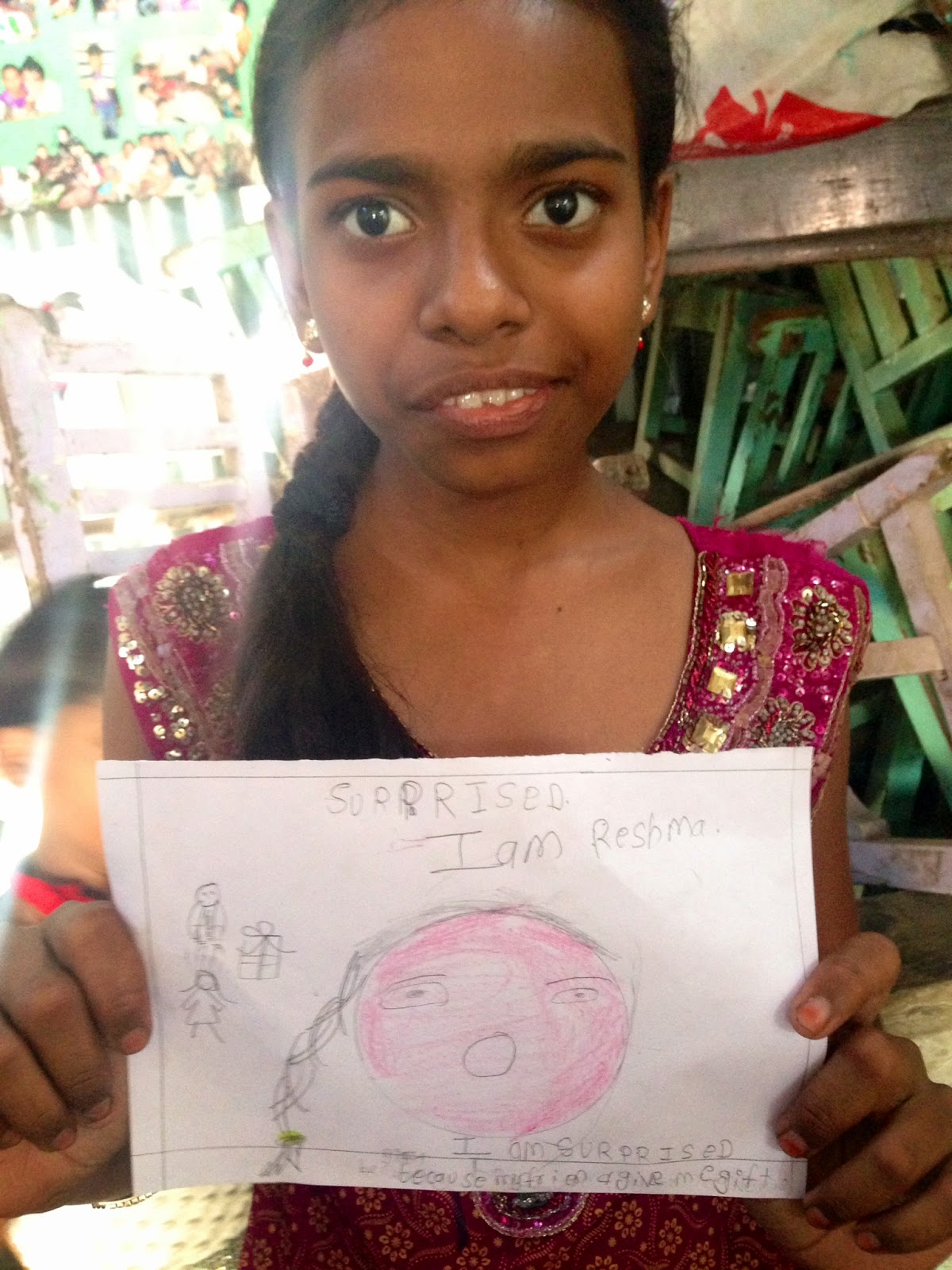 |
This is Reshma. She is very bright and feels a
proud responsibility for everyone in class.
She wrote a full sentence in English!
|
 |
Muscan loves to giggle. She drew herself surrounded by things that make her happy: her mom, her dad, the moon, and flowers.
|
 |
| Aarif drew himself happy in class when we come to teach! |
The postings on this site are my own and do not necessarily represent the positions, strategies or opinions of the American Jewish Joint Distribution Committee
Friday, 7 November 2014
Cats, Cows, and Monkeys…Oh My!
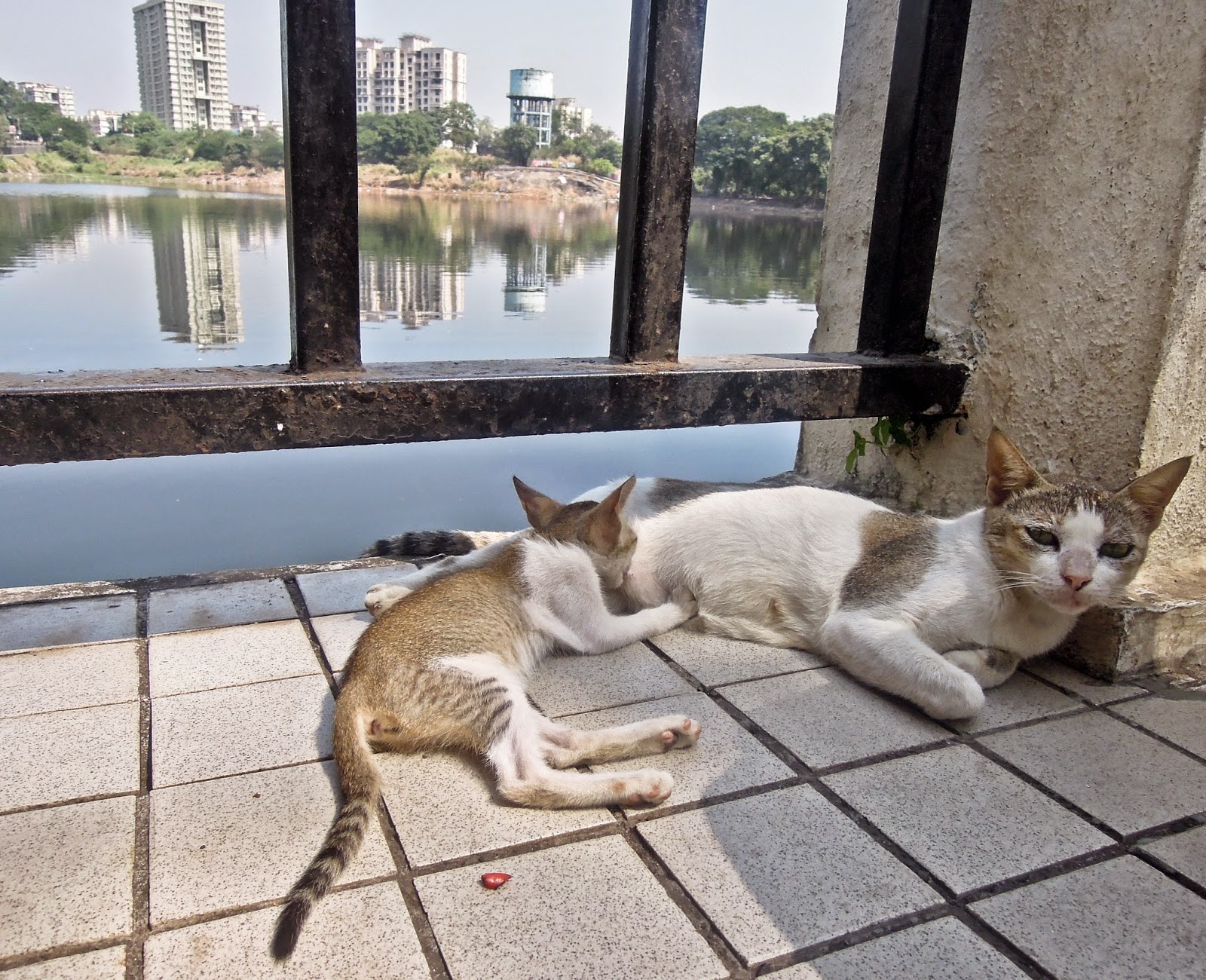
Animals are
teeming in Mumbai. I have no hope in knowing which ones have owners. Stepping
around stray dogs and avoiding wandering goats has become normal(ish). All in
one week, I saw…
A stray kitten and his mama
.jpg)
.jpg)
Cows! Yes, cows are considered sacred in Hinduism. There are cow pens throughout the city where they are looked after. Cows are also often on the sidewalk or even smack dab in the middle of traffic.
.jpg)
.jpg)
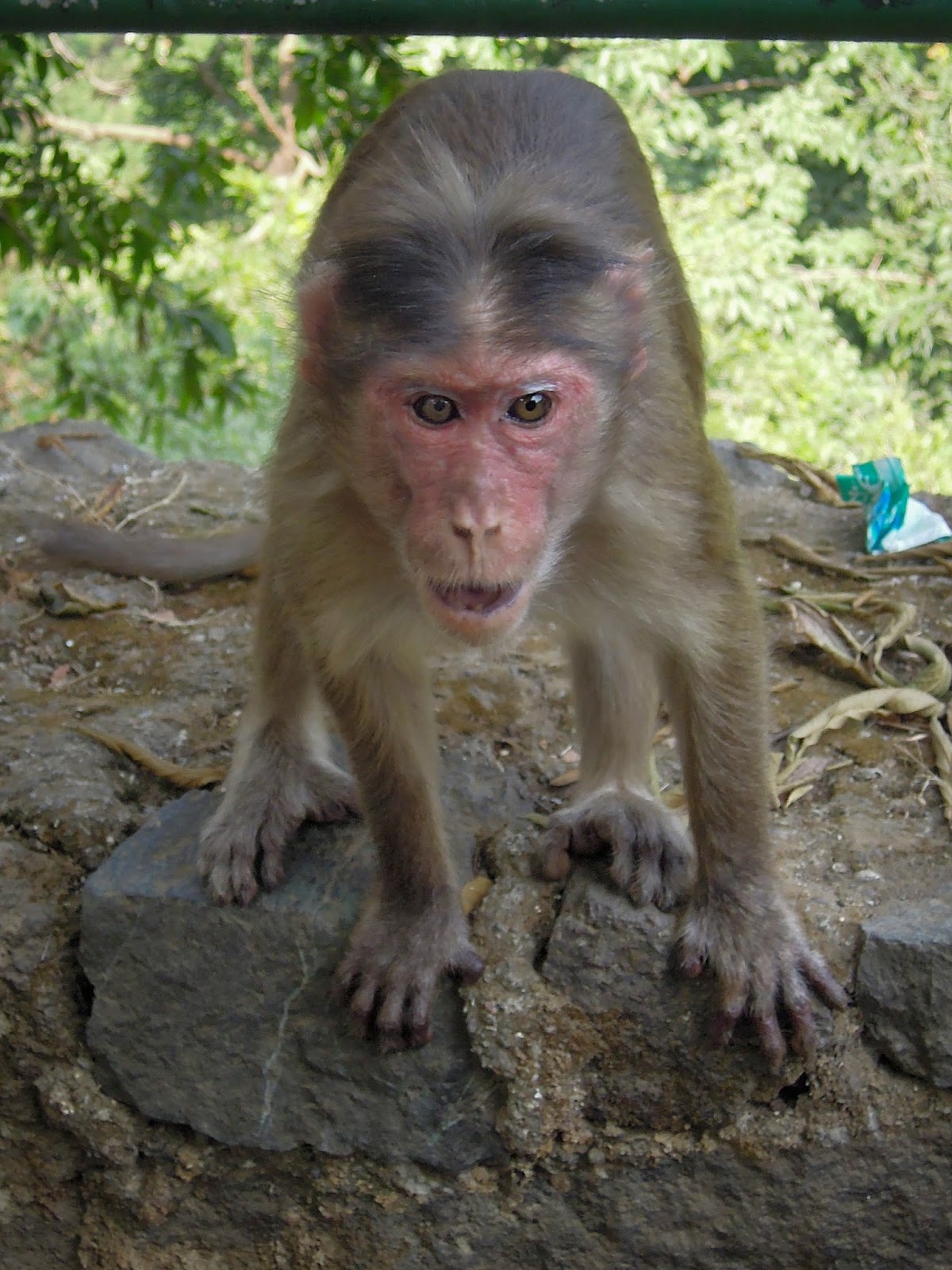
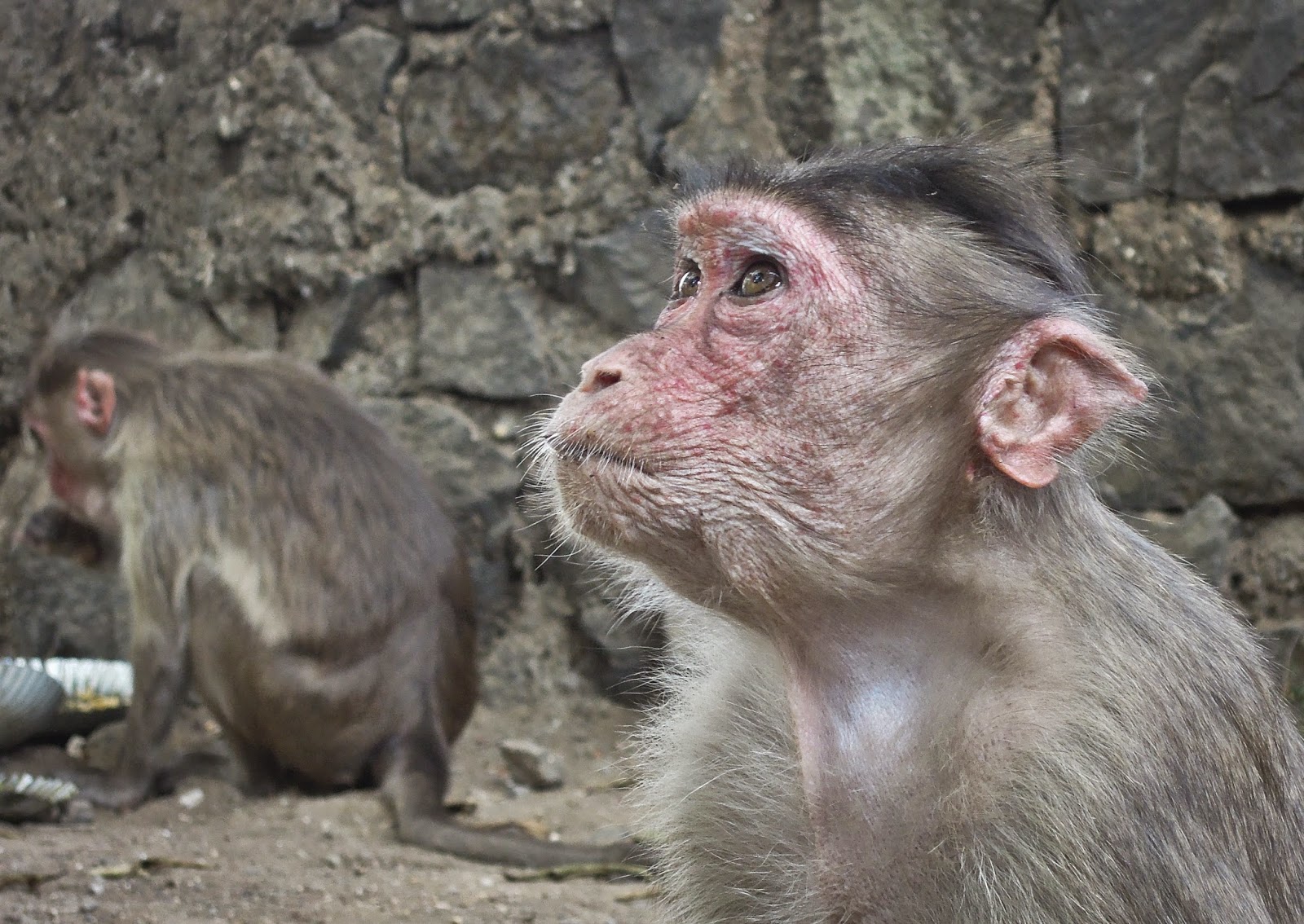
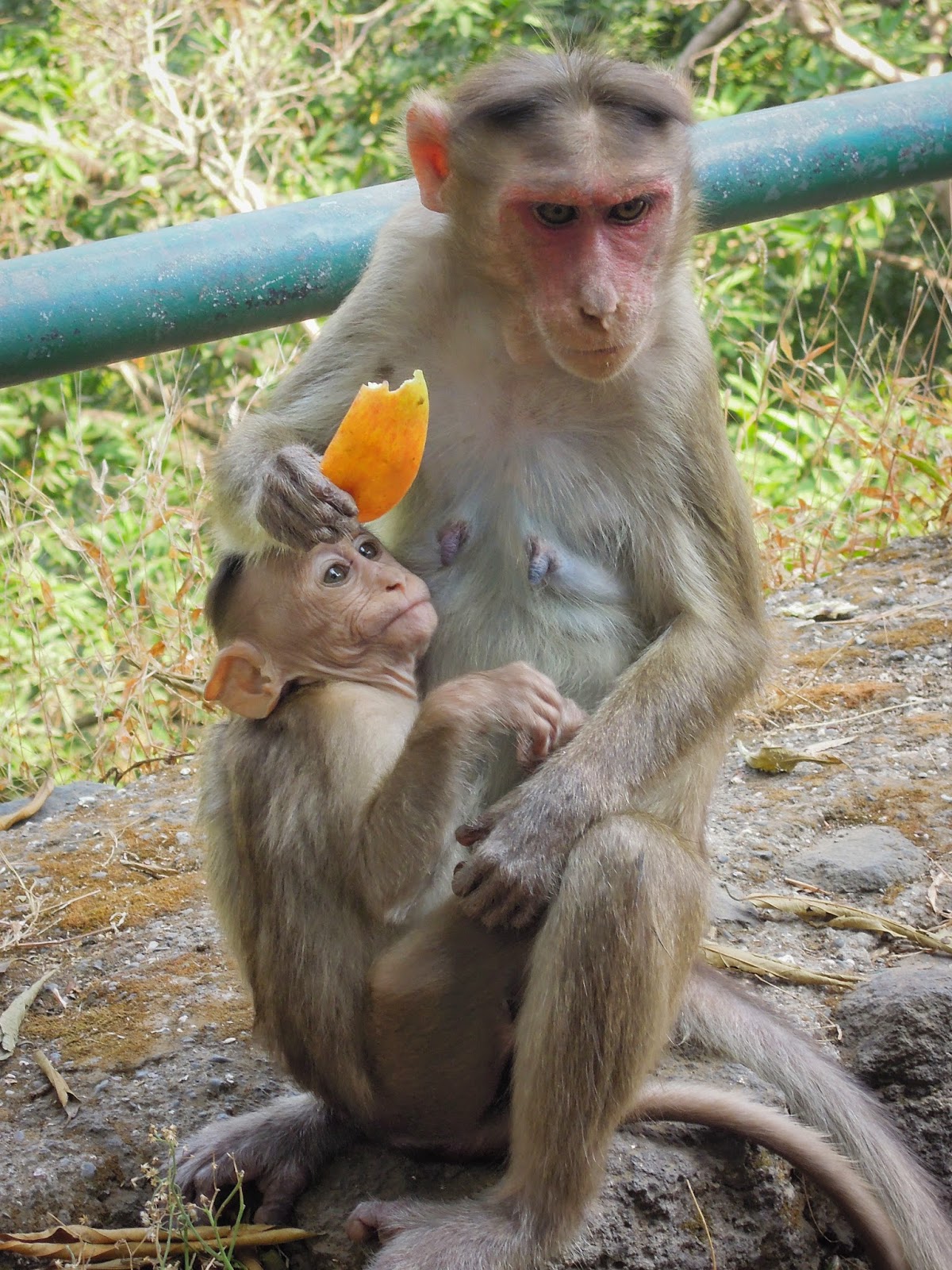
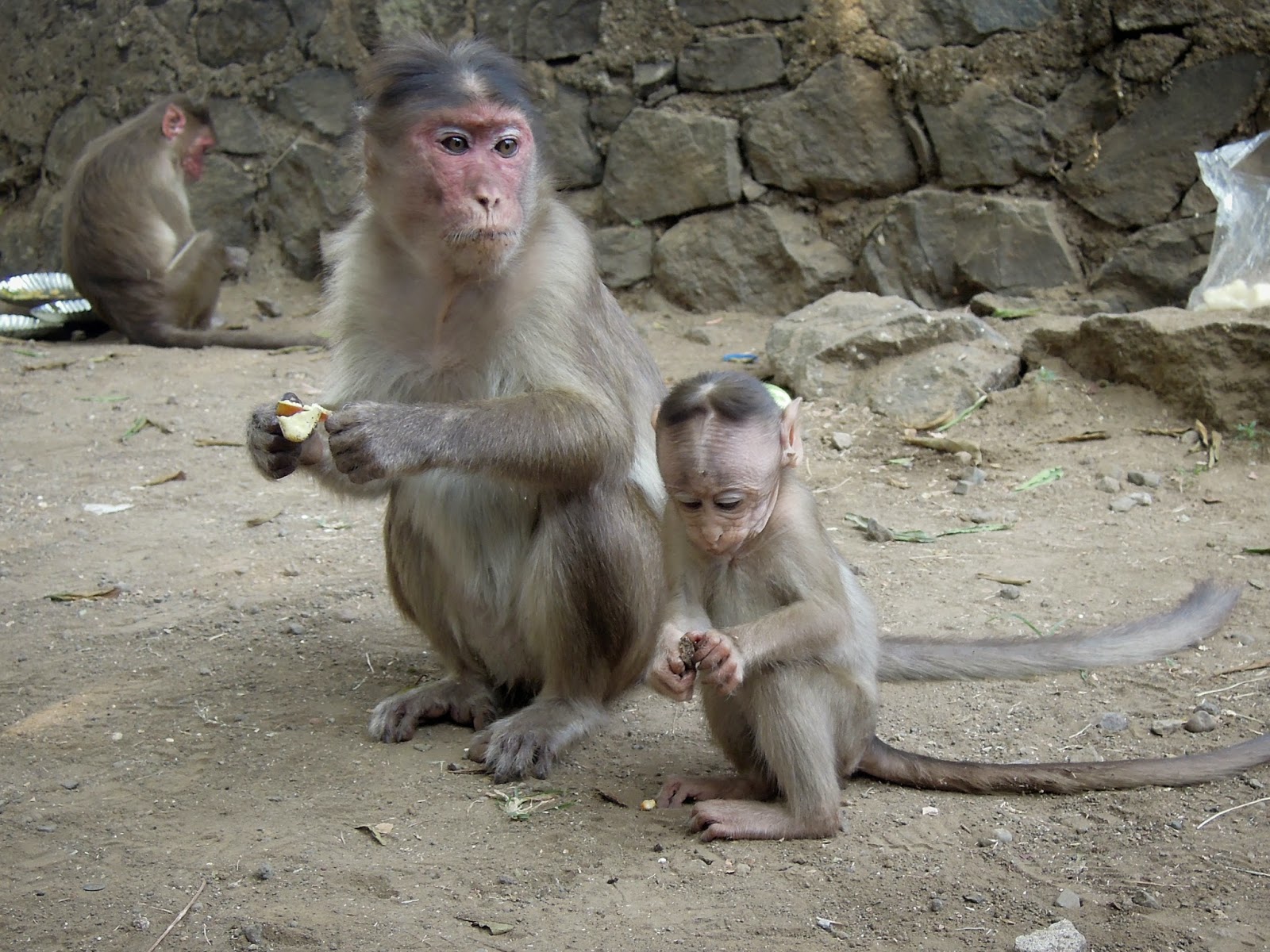
Monkeys! They are so expressive, no? There are hordes of wild monkeys on Elephanta Island, which is off the coast of Mumbai. We went to see the network of sculpted caves, but spent just as much time observing these spunky monkeys.
.jpg)
.jpg&container=blogger&gadget=a&rewriteMime=image%2F*)
.jpg&container=blogger&gadget=a&rewriteMime=image%2F*)
.jpg)
.jpg)
.jpg)
.jpg)
.jpg)
Subscribe to:
Posts (Atom)