Thursday, 13 November 2014

Johnny, Whoops!

One of the biggest challenges of teaching in the slums is the language barrier. Without consistent, formalized schooling, most slum kids don't learn English as well as other children in India. I wish I could interact with the kiddos in my classroom as freely as I’m used to! It’s getting easier though, and it pushes me to be extremely expressive. It actually brings out exactly why I love kids - their willingness to connect with anyone who brings silliness and care – things that transcend language.

Here is one such moment!


I played this camp game countless times as a child and often whip it out when I’m around kids. My class in Kalwa picked up the game in a second. I had one of those moments with a head tilt and smile, where I thought just how small the world is. Kids from Shaver’s Creek, PA to the Kalwa slum in India go just as bonkers figuring out the same, silly riddle. Games like this slip past that pesky gate of language into the universal joy of kids – something I hope to never lose.


Sunday, 9 November 2014

Bright-Eyed Beginnings

I had my first week immersed in teaching GPM classes! Despite the rivers of trash, Kalwa is beautiful. Many homes are settled in a hill overlooking the slum. Sunlight filters through the bright paper lanterns and fabrics hanging above, creating a colorful scene in twisted alleys.

On my first day, the smiling, eager faces of the kids melted any anxiety I felt as I stepped into the classroom. The children peered at our group with forgiving fascination. Some fed off our energy – waving and shouting with vigor – but some were tentative and remained in corners of the room or in their shy head behind teary eyes.


We introduced ourselves. “Meera naam Rose hei!” (My name is Rose) I said enthusiastically to clumps of wide-eyed kids. Two classes had pictures of flowers with their titles on the wall. I pointed to the rose and then to me. “Gulab!” (a rose!) I added. “Hiiiii Rose teacher” the kids sang together in response.

From that first moment of connecting, teaching continued to be energizing and rewarding! The kids are so earnest in wanting to succeed and in going along with whatever I throw at them.


I teach in 2 different classes along with Debra and Basya. The ages in the classes stretch from around 6 to 12. Such a big range in one room poses a challenge. Some kids are timid, some don’t understand English, and some rely on mimicking what they see rather than generating their response independently. So far the kids in the classroom support each other, wanting everyone to succeed and participate. The older and more outspoken kids coax the younger ones, making the classroom an eager-to-please, cooperative community.


Anushka is a very expressive
actress! Here she was role
playing feeling angry.


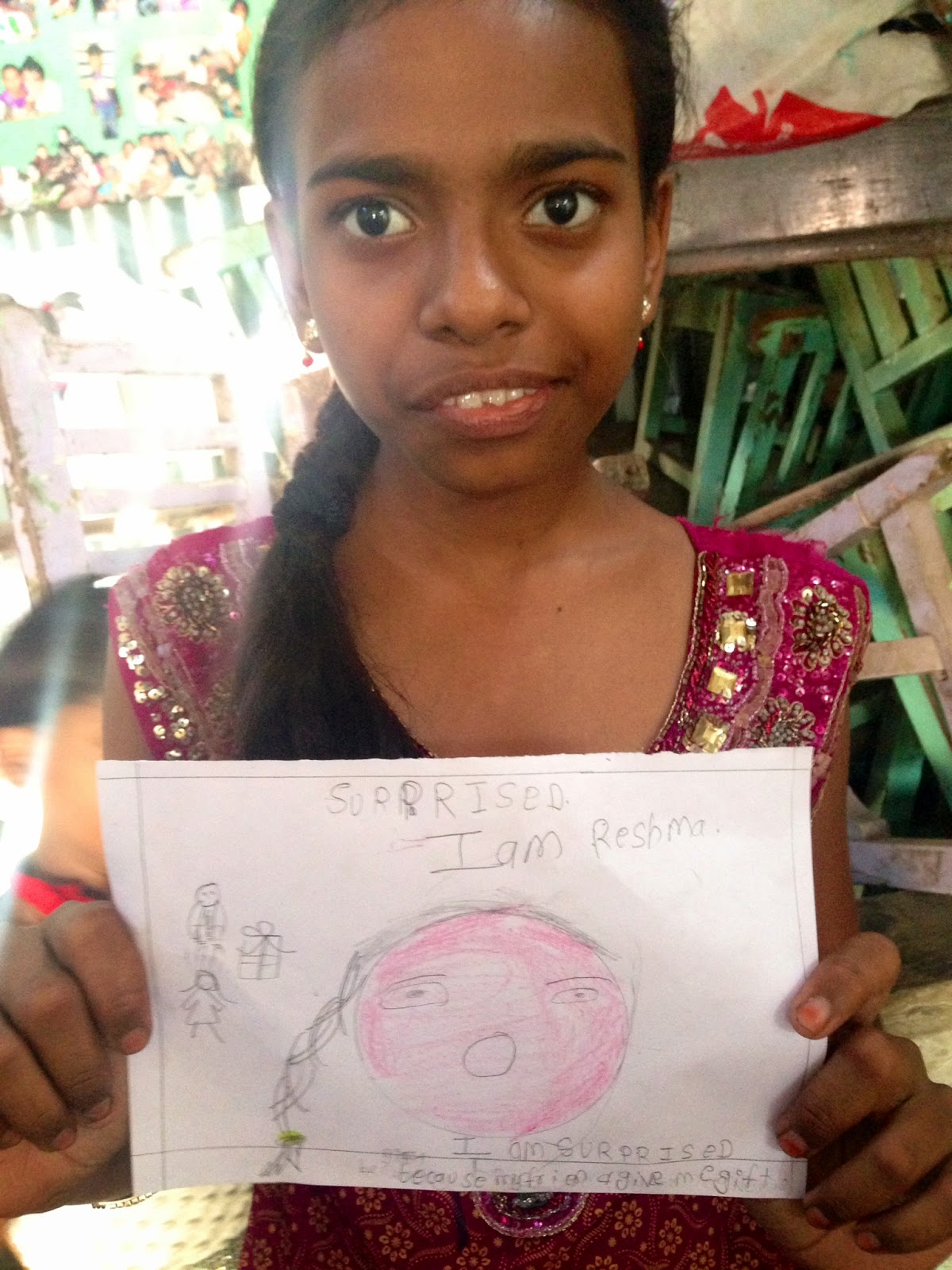
Our focus this week was feelings. Working with the kids to identify and express how they feel will hopefully enhance our communication in the coming weeks. The process was fun, silly, and provided insight into their lives. On Friday, the kids drew themselves feeling an emotion.

This is Reshma. She is very bright and feels a 
proud responsibility for everyone in class. 
She wrote a full sentence in English!
Muscan loves to giggle. She drew herself surrounded by things that make her happy: her mom, her dad, the moon, and flowers.  

Aarif drew himself happy in class
when we come to teach!


The postings on this site are my own and do not necessarily represent the positions, strategies or opinions of the American Jewish Joint Distribution Committee 

Friday, 7 November 2014

Cats, Cows, and Monkeys…Oh My!

Animals are teeming in Mumbai. I have no hope in knowing which ones have owners. Stepping around stray dogs and avoiding wandering goats has become normal(ish). All in one week, I saw…

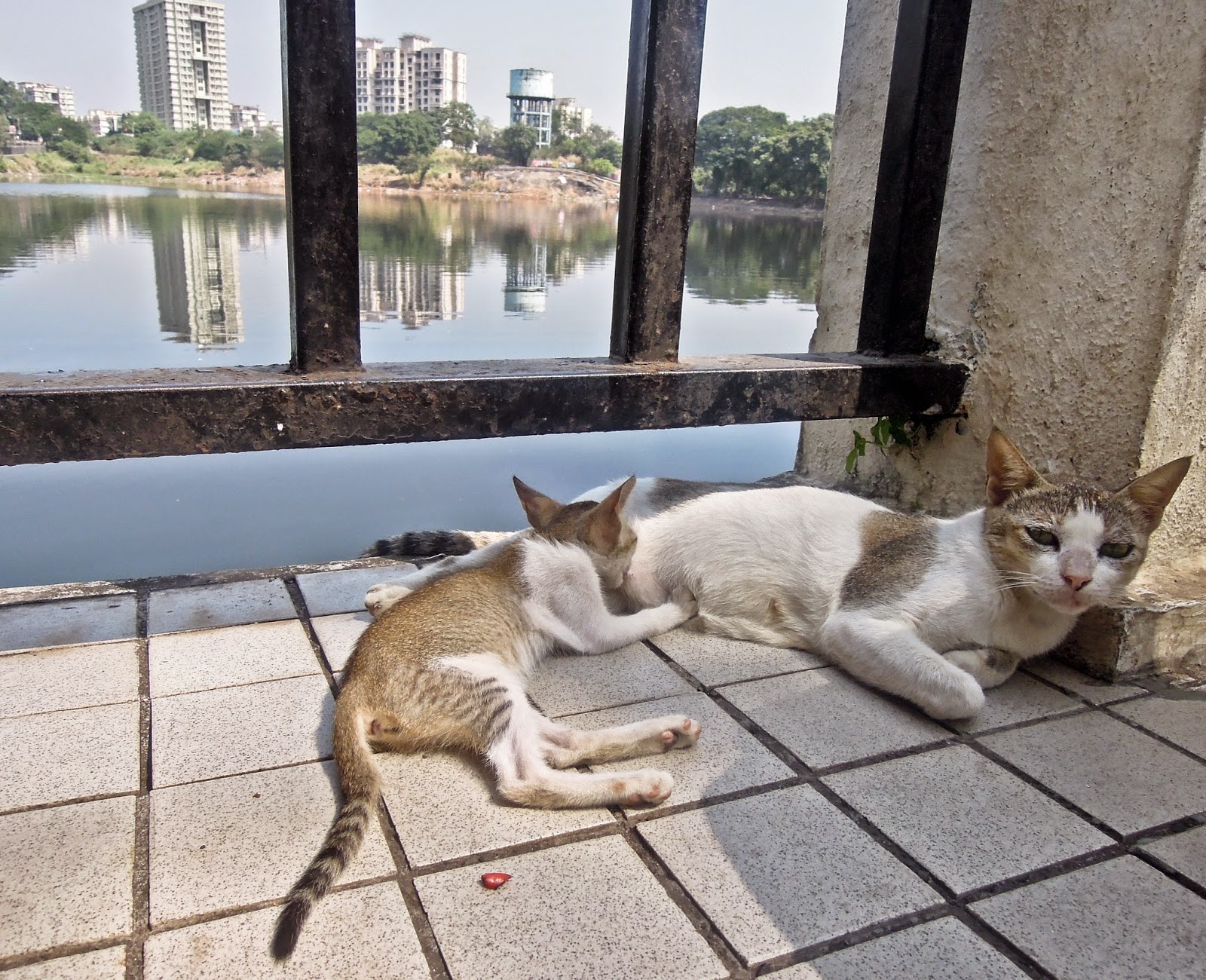
A stray kitten and his mama 


Cows! Yes, cows are considered sacred in Hinduism. There are cow pens throughout the city where they are looked after. Cows are also often on the sidewalk or even smack dab in the middle of traffic. 


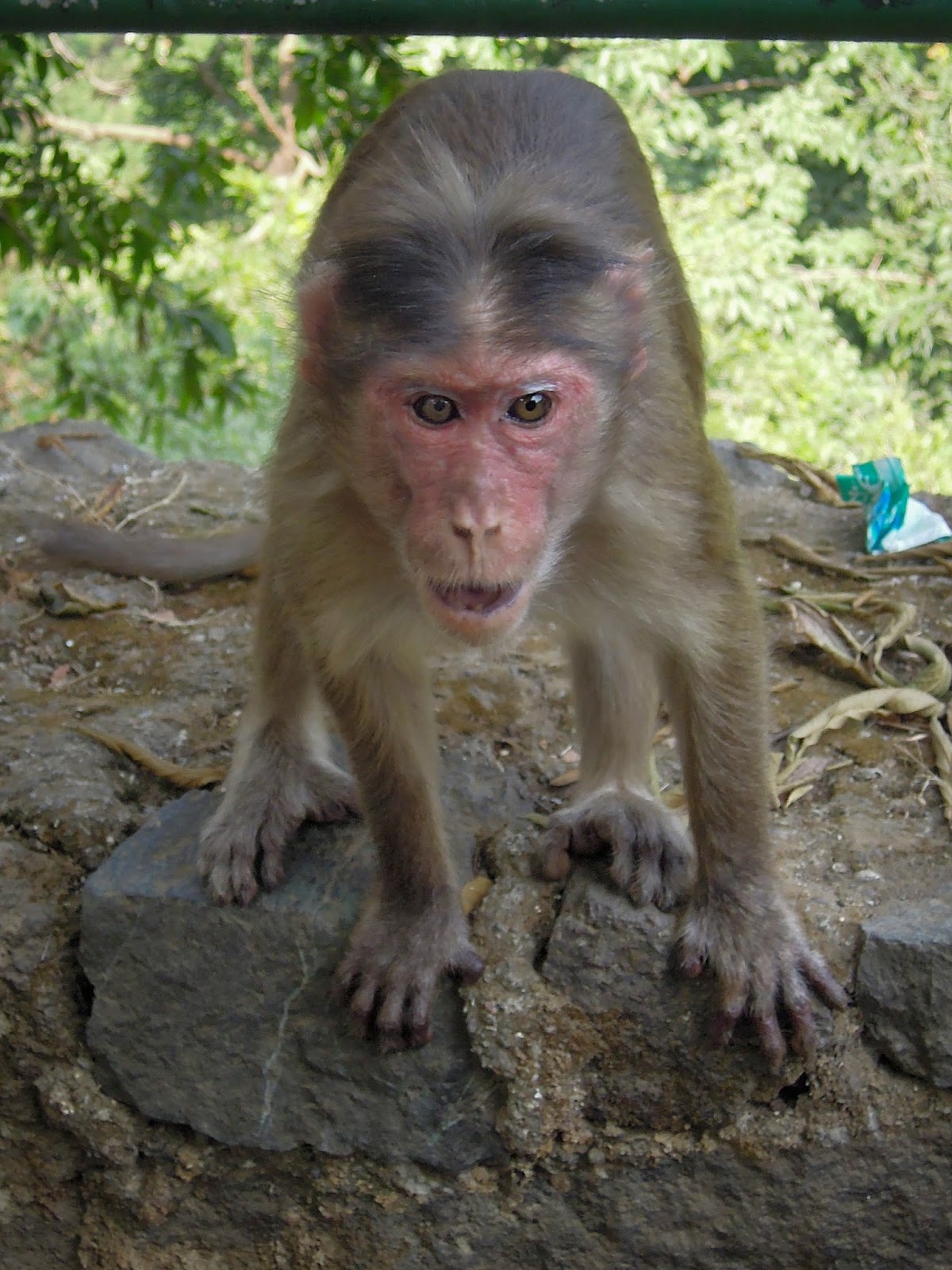
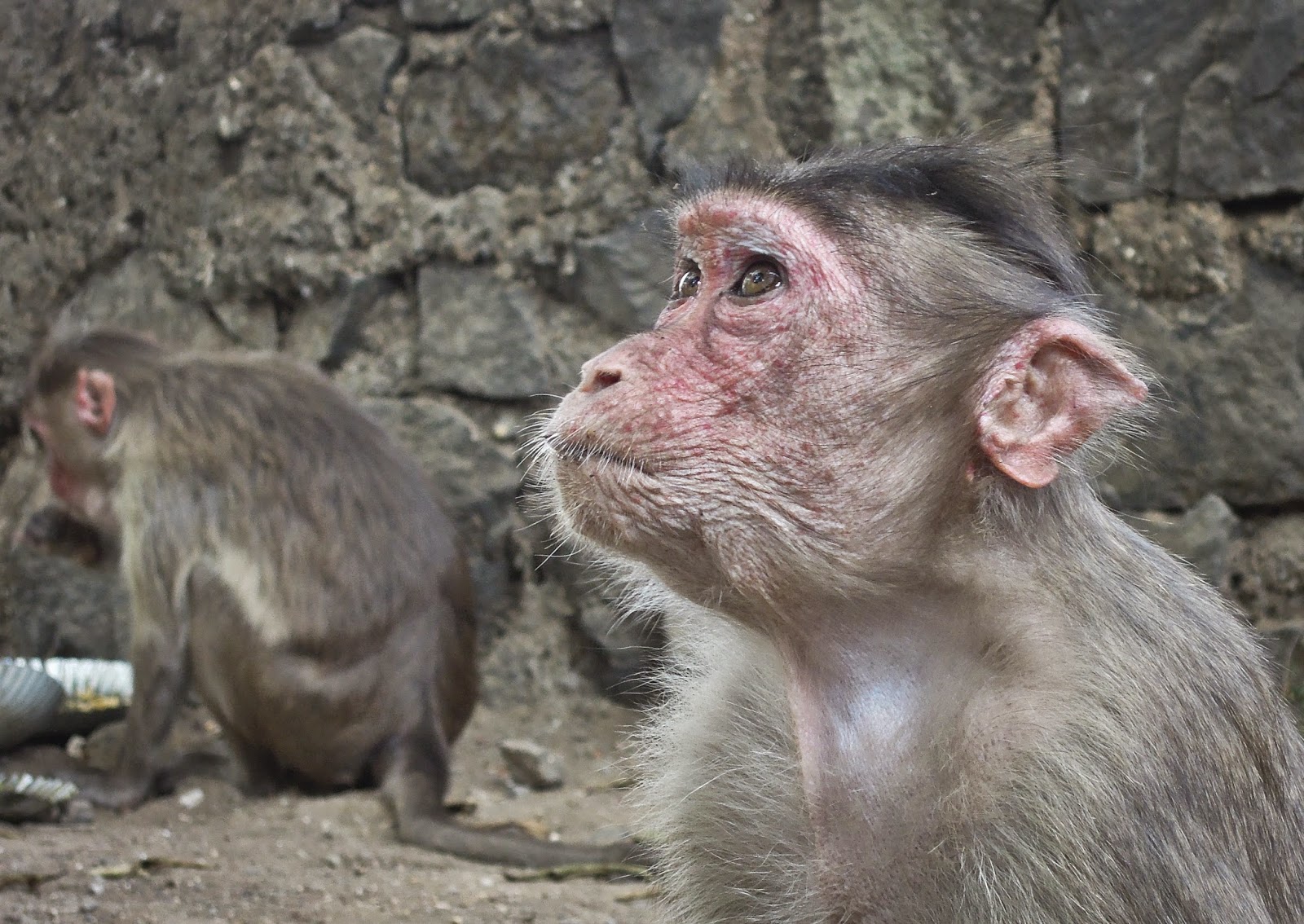
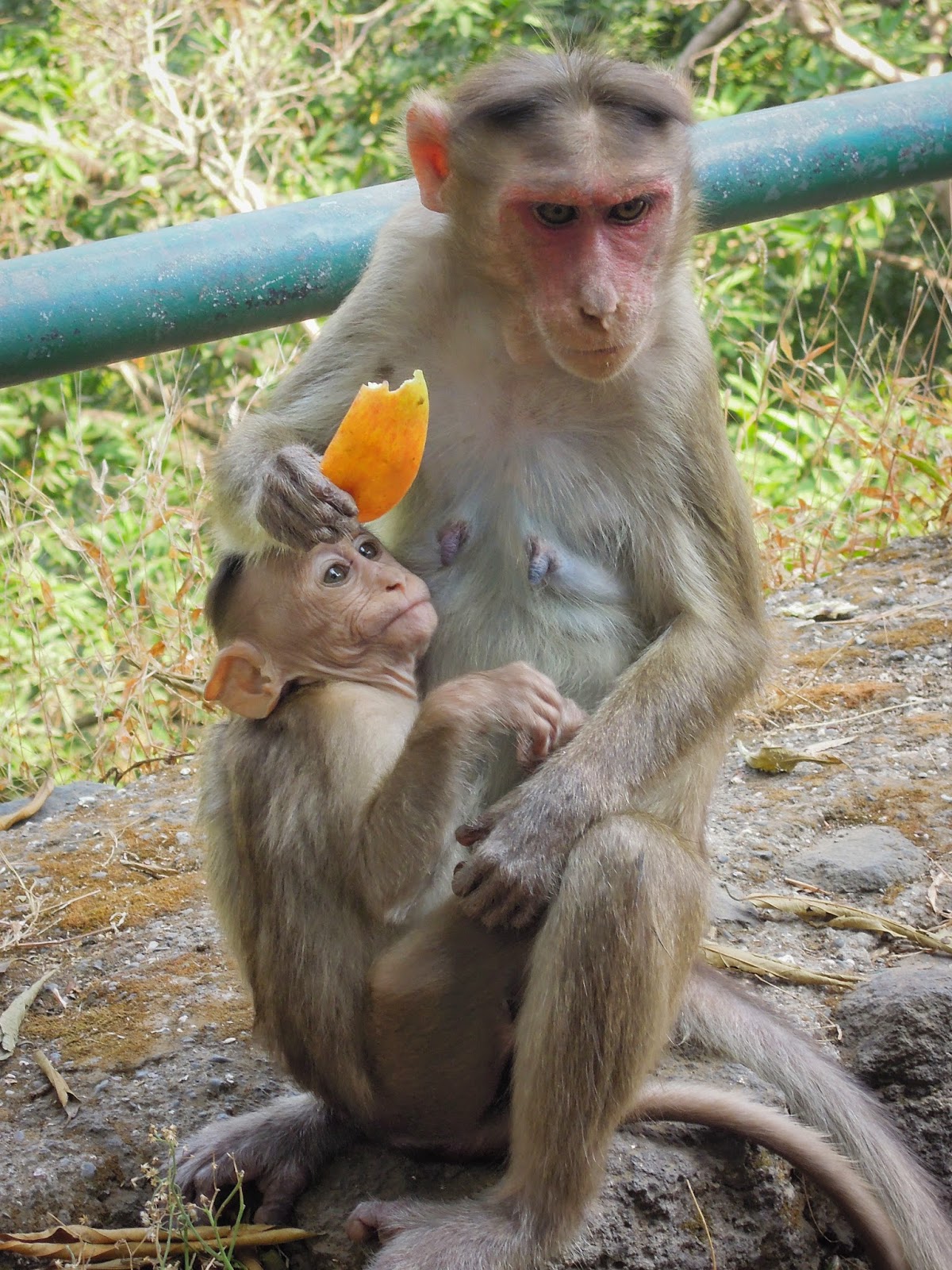
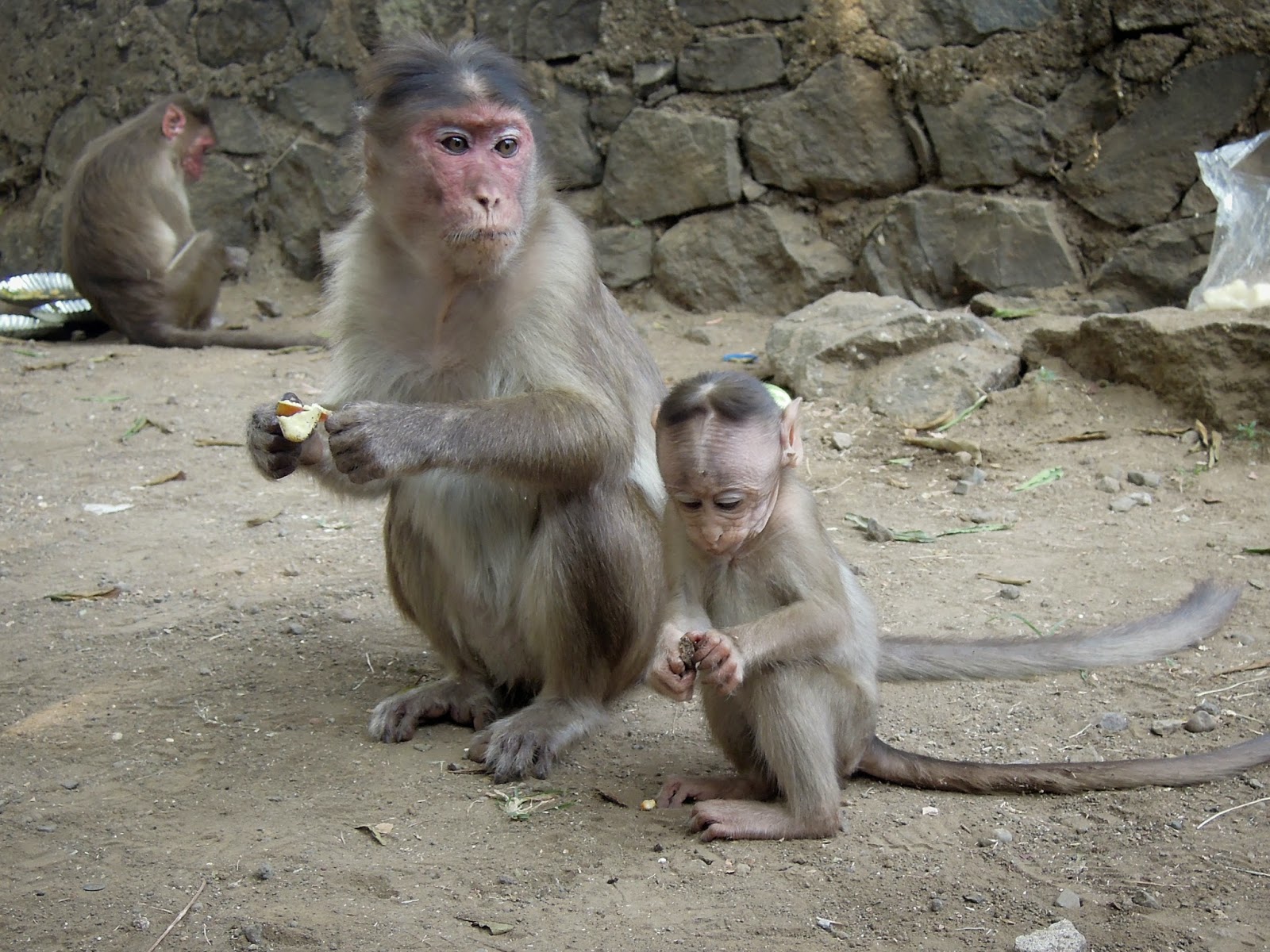
Monkeys! They are so expressive, no? There are hordes of wild monkeys on Elephanta Island, which is off the coast of Mumbai. We went to see the network of sculpted caves, but spent just as much time observing these spunky monkeys. 


Tuesday, 4 November 2014

Slum Prep

Last week we prepped for teaching in the Kalwa slum! Brainstorming lessons for the kids was humbling. It’s hard to put a finger on what I take for granted as “common knowledge” – things I know just by growing up where and how I did, like knowing how to greet people, expressing reactions, and having a notion of geography beyond just my neighborhood. GPM calls these topics informal education, which is what we as teaching fellows bring to the slum children through our lessons. Our initial brainstorm was thrilling – we are all itching to meet the kids and start interacting with our classes. On Wednesday we planned a practice lesson. Our subject? Feelings!

Craft time! Getting in touch with our inner emoji


Also in preparation for Kalwa, we visited the biggest slum in India called Dharavi. Holding about 1 million people, Dharavi is 20 times more dense than the rest of Mumbai, taking the space of 500 football fields. The term “slum” doesn’t have a reputation of comfortable society, so I braced myself to step outside my comfort zone. As I walked down that first road however, I felt like I was just on another crazy Mumbai street. The taxis hollered away and people streamed by, immersed in their midday labors.

As we continued, the streets narrowed. The residential area had alleyways so tiny, even I (shorty that I am) had to stoop. These sunless strips are lined with doorways leading into single tin rooms and ladders leading to more. I saw countless tin hovels, stacked on top of one another, full of people working in the Dharavi factories.

The industries in Dharavi provide jobs for those living within, attracting many from villages across India to work and live in this internal factory system. I was astounded by everything being made in such a tiny area. The products – from clothes and soap, pottery and papadum, to electronics and melted plastic – don’t often leave Mumbai. Each alleyway held a peek into the production of something different. As I looked into the minute work spaces, faces popped up from focusing to stare, smile, or wave.

The complexity and community of Dharavi broke some of my slum stigma. It is a thriving microeconomy – with infrastructure like schools, stores, and hospitals independently supporting so many in such a small space.


We couldn’t take photos in the slum, but here is some more info and pictures: http://ngm.nationalgeographic.com/2007/05/dharavi-mumbai-slum/jacobson-text

The postings on this site are my own and do not necessarily represent the positions, strategies or opinions of the American Jewish Joint Distribution Committee